How Does a Desentupidora in Limão Compare to DIY Fixes? A Working Checklist
By the end of this article, you will have a clear, practical checklist for deciding between calling a professional and reaching for the plunger yourself in Limão, São Paulo. The neighborhood’s mix of older homes, low-rise commercial buildings and busy condominiums means drainage problems are common, and the right first move matters. If you are searching for a reliable desentupidora Limão São Paulo SP, this comparison will help you act with confidence rather than guesswork.
Search intent here is practical: you want to know what to do next, who to call, and how to avoid making a small blockage worse. The checklist below walks through a real scenario, then adapts the same logic to other situations you might face in Limão.
Scenario Walkthrough: A Blocked Kitchen Drain in Limão
Imagine it is a Tuesday evening in Limão. The kitchen sink drains slowly, then stops completely. Water sits in the basin, and a faint smell rises from the plughole. Your first instinct might be to pour a chemical drain cleaner down the pipe, but before you do, run through the same decision sequence a professional would use.
Step 1: Identify the Symptom and the Likely Location
Slow drainage in one fixture usually points to a local clog in the trap or the branch line serving that sink. Water backing up in multiple fixtures, gurgling sounds from other drains, or sewage odors suggest the problem is deeper in the main line. In Limão, older properties often have clay or cast-iron pipes that can accumulate grease and scale over decades. Location is the first fork in the road: a single-fixture clog is often a candidate for DIY, while a main-line blockage is not.
Step 2: Try the Low-Risk DIY Options First
For a single slow drain, a plunger and a drain snake are reasonable first attempts. Boiling water can help with grease, but avoid it if you have PVC pipes or if chemicals are already present. Do not mix chemical cleaners with plunging, because splashes can be dangerous. If the water starts moving after ten minutes of gentle work, you have bought yourself time. If nothing changes, stop and reassess.
Step 3: Recognize the Point of No Return
There are clear signals that DIY has reached its limit: sewage backing up into other drains, water rising in a floor drain when you run the tap, or a smell that persists after cleaning. At that point, continued plunging can force wastewater into walls or neighboring units. This is where a professional desentupidora Limão becomes the safer and often cheaper choice, because the right equipment can clear the line without damaging the property.
Step 4: Prepare Before the Technician Arrives
Clear access to the cleanout, move items away from the sink or floor drain, and note when the problem started. If you live in a condominium, inform the building manager so the technician can access shared stacks if needed. A prepared site shortens the job and reduces the chance of a return visit.
DIY vs. Professional Desentupimento: A Side-by-Side Comparison
The table below compares the two approaches across the factors that matter most in Limão’s residential and commercial buildings. It is not a verdict against DIY; it is a way to see where each option fits.
| Factor | DIY Approach | Professional Service |
|---|---|---|
| Typical scope | Single fixture, surface clog | Branch lines, main lines, grease and scale |
| Equipment | Plunger, hand snake, bucket | Hydrojetting, motorized augers, cameras |
| Risk of damage | Moderate if pipes are old or chemicals are used | Low when the technician assesses the pipe first |
| Time to resolve | Uncertain; may require repeated attempts | Usually same visit for common blockages |
| Best for | Minor, recent clogs | Recurring problems, sewage backup, commercial kitchens |
The comparison shows a simple rule: DIY is a reasonable first attempt for a fresh, localized clog, but recurring or multi-fixture problems almost always need professional equipment. A hand snake cannot remove hardened grease or tree-root intrusion, and chemical cleaners can corrode older pipes without clearing the cause.
Where DIY Quietly Fails
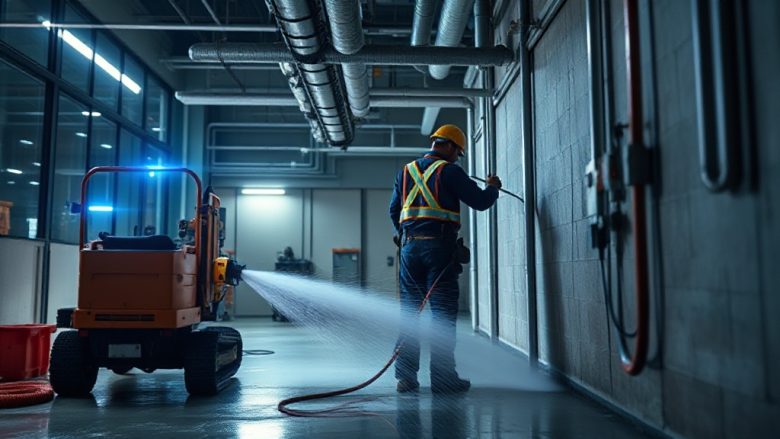
Most DIY failures are not dramatic. They are slow: the drain clears for a day, then backs up again. Each cycle pushes more debris deeper into the line. By the time the problem becomes obvious, the blockage is larger and the pipe may already be damaged. Professionals use hydrojetting to scour the pipe walls, which removes the buildup that causes repeat clogs rather than just punching a hole through it.
Where Professional Service Earns Its Cost
A professional call makes the most sense when the problem affects more than one fixture, when there is a sewage smell, or when the property is commercial and downtime is expensive. In Limão, many buildings share drainage stacks, so a blockage in one unit can signal a problem in the shared line. Diagnosis is part of the service, and that is often what prevents a second emergency.
Variations for Other Situations in Limão
The kitchen-sink scenario is only one version of the decision. The same checklist adapts to other common situations in the neighborhood.
Blocked Toilets and Bathroom Drains
A toilet that overflows when flushed is an urgent problem. Stop flushing immediately and avoid chemical cleaners, which rarely work on solid blockages and can splash. A plunger designed for toilets is a reasonable first step, but if the water level does not drop, call a professional. Bathroom drains clogged with hair respond well to a hand snake, but recurring hair clogs often mean the trap needs proper cleaning.
Sewage Backup and Foul Odors
Sewage backing up into floor drains or showers is a clear signal to stop DIY attempts. This pattern usually indicates a blockage in the main line or a problem with the building’s sewage system. Foul odors without visible backup can point to a dry trap or a vent issue, which a technician can diagnose quickly. In these cases, a desentupidora em Limão São Paulo SP can assess the line and clear it without exposing residents to contaminated water.
Commercial Kitchens and Restaurants
Restaurants and commercial kitchens in Limão face grease buildup that household products cannot handle. Hydrojetting is the standard solution because it removes grease from the pipe walls, not just the center of the flow. For businesses, preventive maintenance is often cheaper than emergency calls, since a blocked kitchen drain can shut down operations during peak hours.
Condominiums and Shared Lines
Building managers in Limão often deal with blockages that affect multiple units. The checklist changes here: document the affected fixtures, check whether the building has a history of similar problems, and coordinate access to cleanouts. A professional service can inspect shared stacks and recommend preventive cleaning before the next holiday period, when usage spikes.
Septic Tanks and Fossa Séptica
Properties not connected to the municipal sewer system rely on septic tanks. Slow drains throughout the house, gurgling toilets, or odors near the tank can indicate it needs pumping. DIY pumping is not advisable; it requires proper equipment and disposal. A professional cleaning service can pump the tank, check the inlet and outlet, and advise on how often it should be serviced based on household size.
Costs, Timing, and What to Ask Before You Book
Cost is the factor most people want to understand first, but it is also the one that varies most. A simple branch-line clog costs less than a main-line blockage that requires hydrojetting or camera inspection. Emergency calls at night or on weekends may carry a premium. Rather than quoting a single number, a reliable provider will ask about the symptoms and give a range before dispatch.
Questions That Reveal a Reliable Provider
- Do you inspect the line before quoting, or is the price fixed regardless of the cause?
- What equipment do you use for grease and scale, and do you offer hydrojetting?
- Is there a warranty or call-back policy if the blockage returns?
- Can you provide a written summary for the building manager or landlord?
- Do you handle septic tank cleaning and disposal in compliance with local rules?
These questions matter more than the lowest price. A provider that inspects first and explains the cause is more likely to solve the problem permanently. A cheap clearing that returns in a week is not a bargain.
Timing: When to Call Immediately
Some situations cannot wait. Sewage backing up into living areas, water rising in multiple drains, or a complete loss of drainage in a commercial kitchen should trigger an immediate call. For slow drains that still function, you can schedule a visit during normal hours. In Limão, older buildings may have limited cleanout access, so mentioning the property type when you call helps the provider arrive prepared.
Prevention After the Fix
Once the line is clear, prevention is straightforward: avoid pouring grease down sinks, use strainers in kitchen and bathroom drains, and schedule periodic cleaning for older pipes. For condominiums, an annual inspection of shared lines can catch buildup before it becomes an emergency. Preventive maintenance is the cheapest form of desentupimento, because it avoids the emergency premium and the property damage that comes with backups.
Frequently Asked Questions
Can I use chemical drain cleaners in older Limão buildings?
It is better to avoid them. Older pipes may be corroded or made of materials that react badly to harsh chemicals. Chemical cleaners also rarely clear the underlying cause, and they can be dangerous if the drain later needs to be plunged or snaked. Mechanical cleaning is safer for older plumbing.
How do I know if the problem is my pipe or the building’s shared line?
If only one fixture is affected, the problem is likely in your branch line. If multiple fixtures back up, or if water rises in a floor drain when you use an unrelated tap, the shared line is the likely culprit. In that case, contact the building manager and a professional service together.
Is hydrojetting safe for all pipes?
Hydrojetting is effective for grease, scale and roots, but the pressure must be adjusted to the pipe’s condition. A professional will assess the pipe material and age before choosing the pressure. For very old or fragile pipes, a camera inspection may be recommended first.
How often should a septic tank in Limão be cleaned?
Frequency depends on tank size and household usage, but most residential tanks need pumping every few years. Signs such as slow drains throughout the house, odors, or gurgling toilets suggest it is time to schedule a cleaning. A professional can advise on the right interval after inspecting the tank.
With this checklist, the decision between DIY and a professional call becomes a matter of matching the symptom to the right tool. For blockages that are localized and recent, a careful DIY attempt is reasonable. For anything involving multiple fixtures, sewage backup, commercial kitchens, or older pipes, a professional desentupidora in Limão is the safer and more durable choice.